Malcom Mudhungwaza
I build and ship production AI systems, while researching how the models underneath them behave and where they break.
Agentic AI, RAG, evals and LLM serving, designed end to end and measured against what the system is actually for. My doctoral research studies how safety alignment holds up across language and modality.
- Senior AI EngineerGenAI, LLM & agentic systems
- Ph.D. ResearcherAI safety & alignment
- 5+ yearsproduction LLM & ML systems
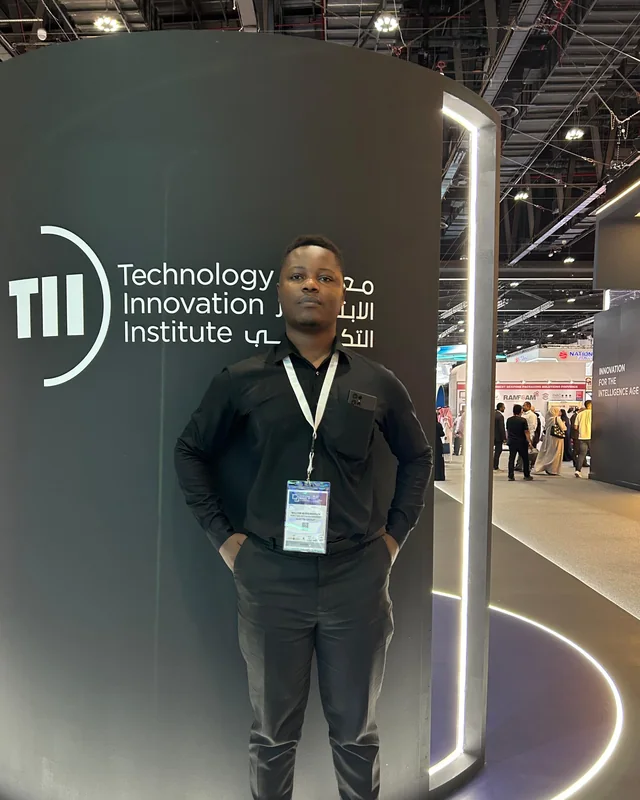
Malcom Mudhungwaza
Senior AI Engineer · Abu Dhabi, UAE
Platforms
Three live AI platforms, architected and shipped
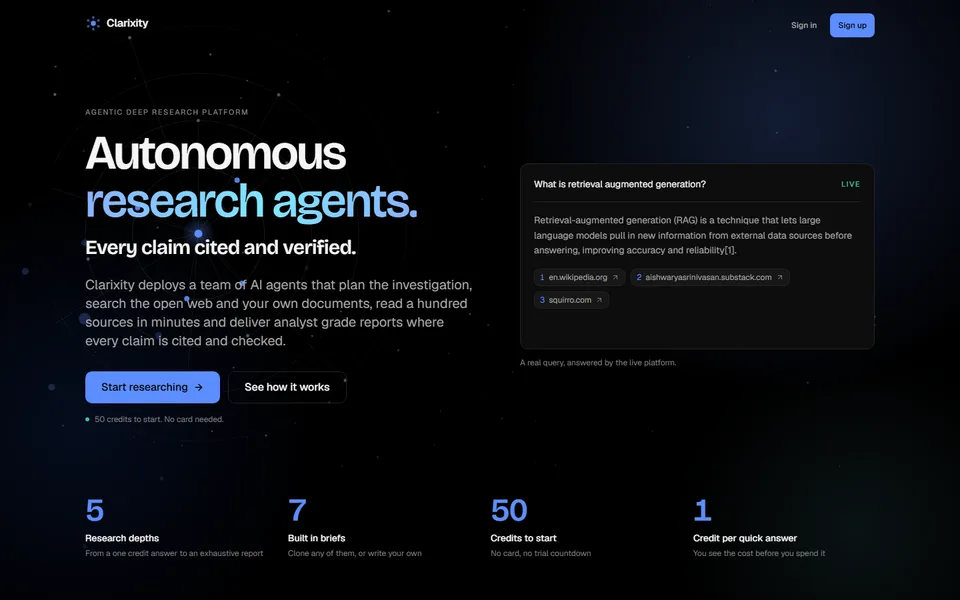 Agentic deep research platformLive
Clarixity
Autonomous research agents. Every claim cited and verified.
- Research depths
- 5Research depths
- Built in briefs
- 7Built in briefs
- Every citation
- CheckedEvery citation
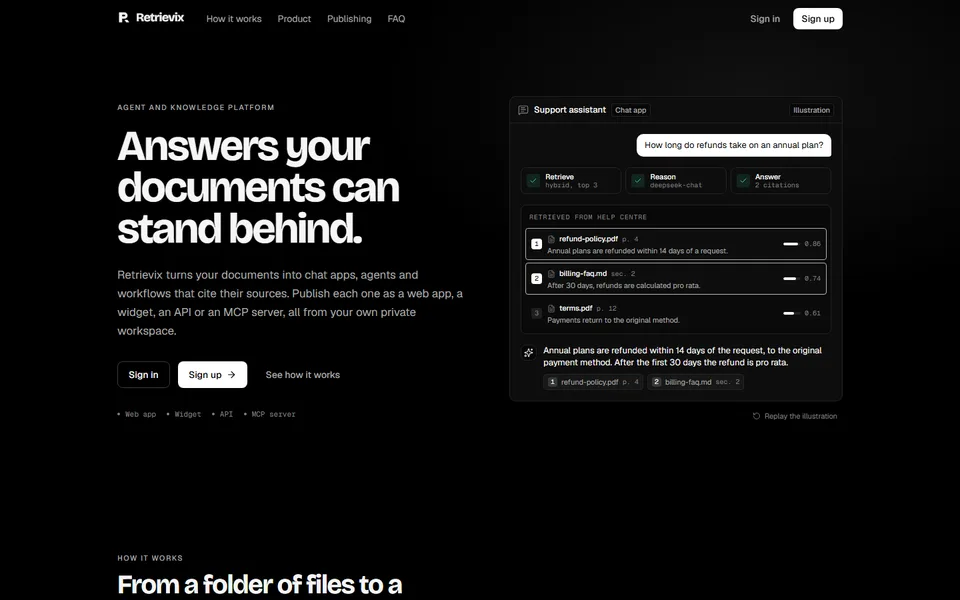 Enterprise agentic AI platformLive
Retrievix
Build, orchestrate and ship AI agents on your own knowledge.
- Ways to ship
- 4Ways to ship
- Ways to build
- 3Ways to build
- Workspace per account
- 1Workspace per account
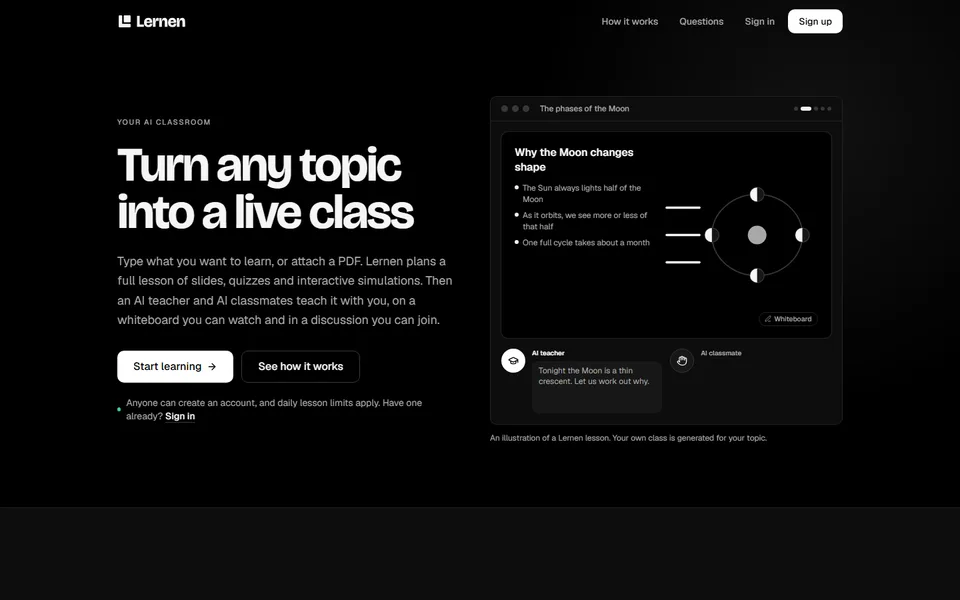 AI learning platformLive
Lernen
Any topic, taught live by AI.
- To a full lesson
- MinutesTo a full lesson
- Languages
- 12Languages
- Class
- LiveClass
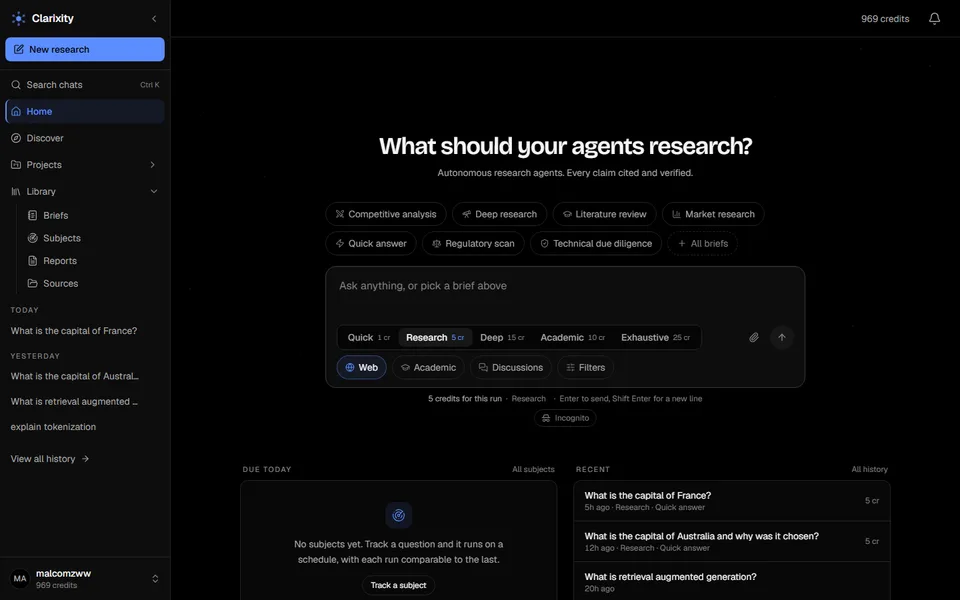 Agentic deep research platformLive
Clarixity
Autonomous research agents. Every claim cited and verified.
- Research depths
- 5Research depths
- Built in briefs
- 7Built in briefs
- Every citation
- CheckedEvery citation
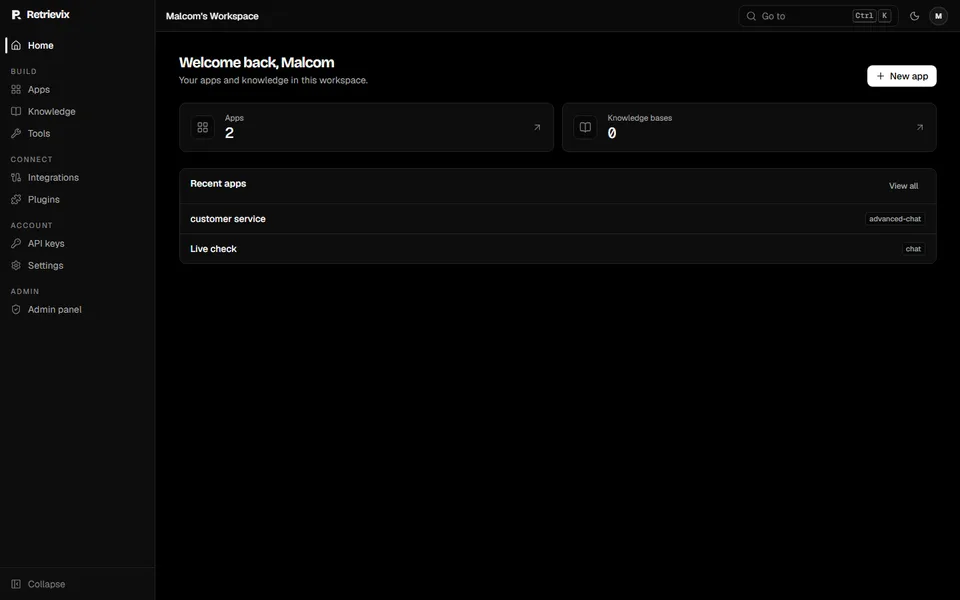 Enterprise agentic AI platformLive
Retrievix
Build, orchestrate and ship AI agents on your own knowledge.
- Ways to ship
- 4Ways to ship
- Ways to build
- 3Ways to build
- Workspace per account
- 1Workspace per account
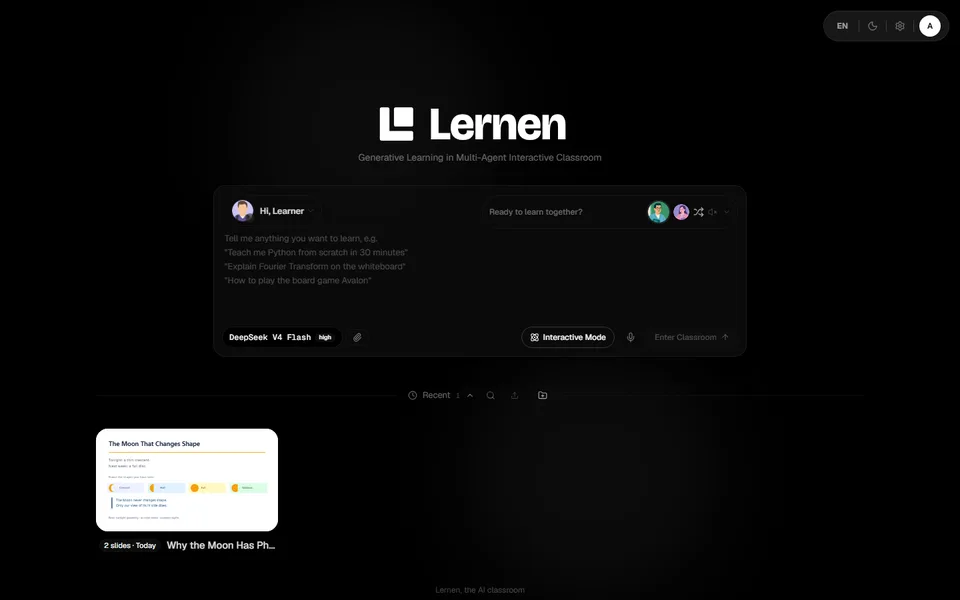 AI learning platformLive
Lernen
Any topic, taught live by AI.
- To a full lesson
- MinutesTo a full lesson
- Languages
- 12Languages
- Class
- LiveClass
Scope
Five domains, end to end
AI agents and voice, RAG and multimodal, software engineering and platforms, LLM engineering and evals, and AI internals and optimisation. Each one is backed by published code.
- 015 repos
AI Agents & Voice Agents
Systems that use tools, call other systems and hand off to people. The engineering is in the failure modes, not the happy path.
- LangGraph
- LangChain
- MCP
- Durable execution
- Streaming ASR
- 024 repos
RAG & Multimodal AI
Getting the right evidence in front of the model, including when the input is a scanned page or a photograph rather than clean text.
- pgvector
- FAISS
- Pinecone
- HNSW tuning
- Hybrid search
- 033 repos
Software Engineering & Platforms
The product around the model. Most AI features fail on ordinary engineering, on schema, concurrency, caching and deployment, long before they fail on model quality.
- Python
- FastAPI
- C++
- REST
- WebSockets
- 047 repos
LLM Engineering & Evals
Adapting open models to a domain, and the measurement that decides whether a change shipped an improvement or a regression.
- LoRA
- QLoRA
- DPO
- GRPO
- TRL
- 057 repos
AI Internals & Optimisation
What a token costs and why. Useful when a system has to get cheaper or faster and the obvious levers have already been pulled.
- vLLM
- llama.cpp
- Continuous batching
- KV cache
- Anthropic Claude
In practice
What that looks like day to day
- AI Agents & MCPTool-using agents over Model Context Protocol, orchestration that survives a restart, and failure rates measured per topology.
- Voice AgentsStreaming ASR into dialogue into speech synthesis, budgeted per hop against time to first audio rather than total generation.
- RAG & Vector SearchHybrid dense and lexical retrieval with re-ranking, and the filtered-ANN failure that returns nothing while reporting success.
- Multimodal AIVision-language extraction over scanned pages, charts and photographs, where the input was never clean text to begin with.
- Software EngineeringThe product around the model: backend services, relational and vector data layers, queues, and deployment that holds under load.
- Platforms & InfrastructureContainerised services with CI/CD, tracing, caching with a measured hit rate, and per-tenant budgets that stop a runaway.
- Evals & GuardrailsLLM-as-judge harnesses calibrated against human labels, CI regression gates, and doctoral research on what safety benchmarks actually measure.
- Post-TrainingSupervised fine-tuning and preference optimisation, with the objective chosen against the feedback actually available.
- LLM Serving & InferenceSelf-hosted open-weights models with quantisation, sized against a latency target and a cost per million tokens.
- Model InternalsAttention and KV cache arithmetic, MoE routing, long-context behaviour, the depth that makes an optimisation predictable.
What I build
Systems, not demos
The things I am usually brought in to design and ship. Each has a version running against real traffic, and a version published here as a project.
Agentic document pipelines
Multimodal extraction into structured output, LLM reasoning over the result, confidence gating per document class, and a human review path for the cases that should not be automated.
RAG systems
Hybrid dense and lexical search with re-ranking, chunking chosen against the document shape, and retrieval quality measured separately from generation quality.
LLM serving & inference optimisation
Quantised models behind an inference gateway, sized against a stated latency target and a cost per million tokens, with routing and per-tenant budgets.
Post-training & domain adaptation
Supervised fine-tuning and preference optimisation on open-weights models, with the objective chosen against the feedback actually available rather than the newest paper.
Evals & CI regression gates
Golden datasets, LLM-as-judge scoring calibrated against human labels, and regression gates that fail a build when quality drops by a detectable margin.
Voice agents & multimodal
Streaming ASR into dialogue orchestration into speech synthesis, budgeted per hop against time-to-first-audio rather than total generation time.
Agentic AI & MCP servers
MCP servers exposing internal systems as tools, orchestration with checkpointing that survives a restart, and topology chosen from the failure mode that matters most.
Platform layers & observability
Async services with bounded concurrency, retry classification at the transport boundary, caching with a measured hit rate, and schemas read against their query plans.
Models
Open weights and hosted, chosen per requirement
Most systems here run on open-weights models, adapted and self-hosted so the behaviour, the cost and the data path stay under my control. Hosted models are used where a managed frontier model is the better answer.
Open weights
- Qwen
- GLM
- DeepSeek
- Llama
- Mistral
- Falcon
- Gemma
Fine-tuned and self-hosted. Adapted to a domain with supervised and preference training, then served with quantisation against a latency target.
Hosted models
- Anthropic Claude
- OpenAI GPT
- AWS Bedrock
- Azure OpenAI
Served through cloud APIs where a managed frontier model is the right call, with the same evaluation and cost discipline applied to both routes.
Research
A doctorate on where safety alignment breaks
Ph.D., Artificial Intelligence & Machine Learning, in progress. The dissertation asks a question that current benchmarks cannot answer:
How much of the apparent cross-modal safety gap is a reading-ability artifact rather than an alignment gap?
A model that cannot read a request scores the same as one that read it and refused. Separating the two is the contribution.
- Field
- AI safety and alignment
- Working papers
- Multi-Agent Orchestration with Model Context Protocol: A Framework for Reliable Tool-Augmented LLM SystemsPreprint in preparation · arXiv, 2026Safety Alignment Across Language and Modality: Perception Confounds in Multimodal LLM Guardrail TransferPreprint in preparation · arXiv, 2026
- Projects
- 26 repositories · 1128 tests
In the field
Where the work gets shown
Conferences, exhibitions and industry events across the UAE and East Africa, presenting the systems and meeting the people who run them.
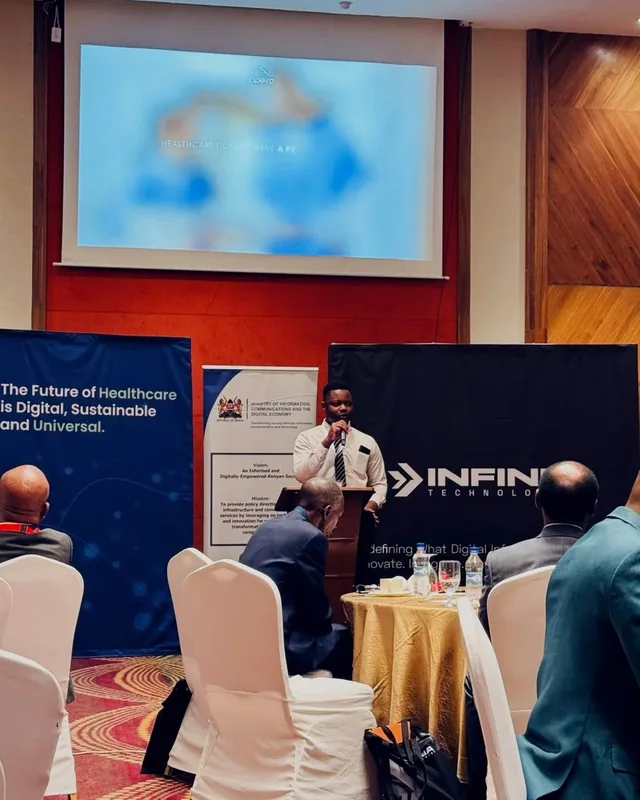
Healthcare digital economy
Ministry of ICT · Kenya
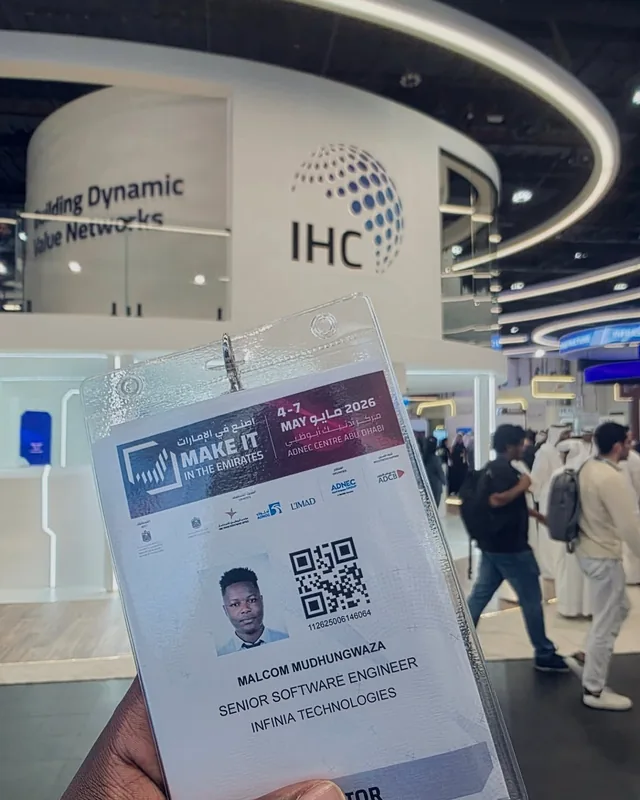
Make It In The Emirates
ADNEC · Abu Dhabi
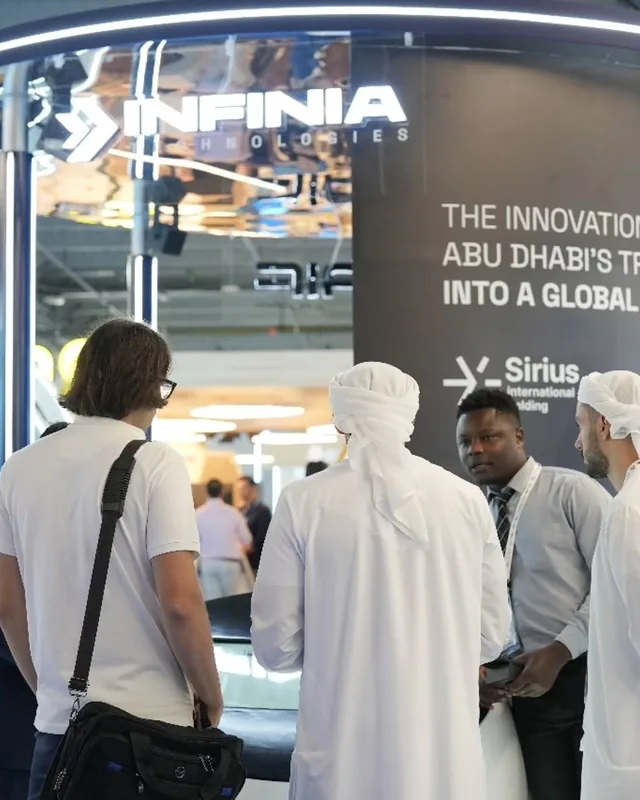
Technology exhibition
IHC · Abu Dhabi
Built with
- PyTorch
- Transformers
- TRL
- vLLM
- AutoAWQ
- LangGraph
- FastAPI
- PostgreSQL
- pgvector
- Redis
- FAISS
- sentence-transformers
- rank_bm25
- ONNX Runtime
- faster-whisper
- piper
- OpenCV
- Ultralytics
- NumPy
- SciPy
- Matplotlib
- Pydantic
- httpx
- anyio
- arq
- OpenTelemetry
- pytest
- datasketch
- fastText
- C++
- Python
- WebSockets
Engineering
Perception, robotics and on-device inference
Earlier work, written up in full. Real-time detection on embedded hardware, sensor fusion and SLAM navigation, and medical imaging, the systems background the LLM work is built on.
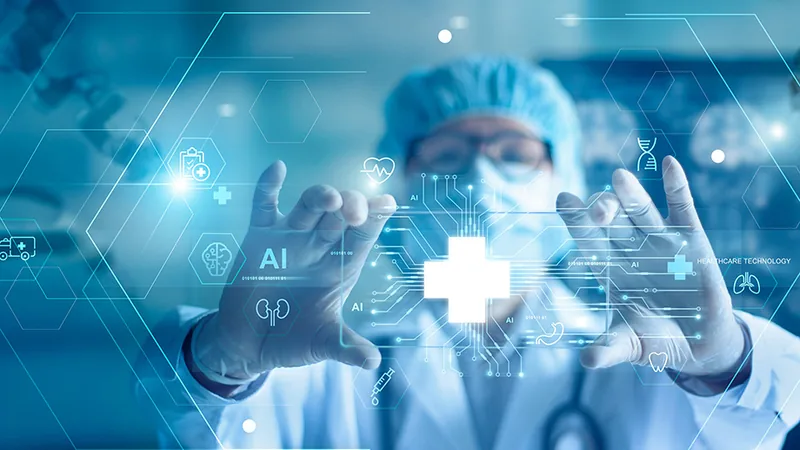
Computer Vision & AI
Cancer Detection Model
A convolutional network for early skin-cancer detection on the HAM10000 dataset, built around an EfficientNet-B4 backbone with spatial and channel attention, Grad-CAM explanations, and five-fold stratified cross-validation.
TensorFlow, CNN, Transfer Learning
Read the write-up
Robotics & Computer Vision
Autonomous Drone Vision
A real-time aerial detection stack running YOLOv9 on NVIDIA Jetson through TensorRT, with DeepSORT tracking, CUDA preprocessing and ROS2 integration on a custom drone platform.
YOLOv9, NVIDIA Jetson, TensorRT
Read the write-up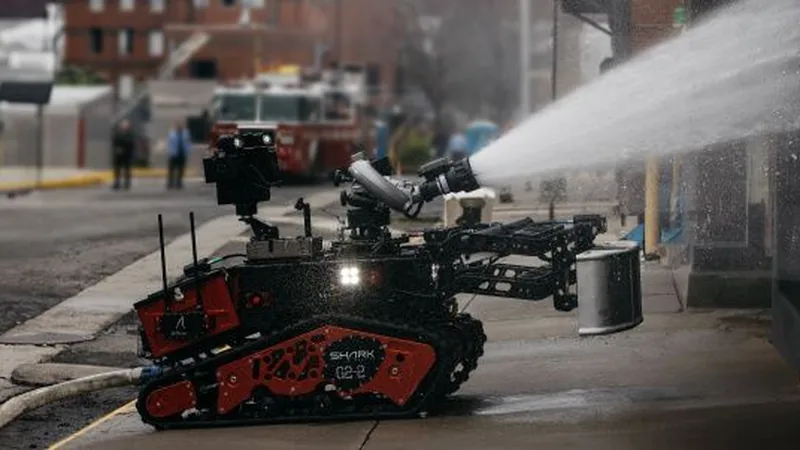
Robotics Engineering & AI
Autonomous Fire Fighter Robot
An autonomous ground robot combining YOLOv8 flame detection with LiDAR SLAM and A* path planning, navigating to and suppressing fires in cluttered indoor environments.
YOLOv8, ROS2, SLAM, Embedded Systems
Read the write-up
AI Assistant & NLP
Mini AI Assistant
A local-first assistant built on DistilBERT intent classification and BiLSTM-CRF entity extraction, exported to ONNX for on-device inference on desktop and Raspberry Pi.
Python, BERT, TensorFlow
Read the write-up
Contact
Get in touch
Happy to talk about anything here, or about LLM systems, evaluation and serving generally. Mentioning a repository by name gets you a faster and more useful answer.
- Based in
- Abu Dhabi, UAE
- GitHub
- github.com/malcomzww
- linkedin.com/in/malcomzw